Line · Python a4
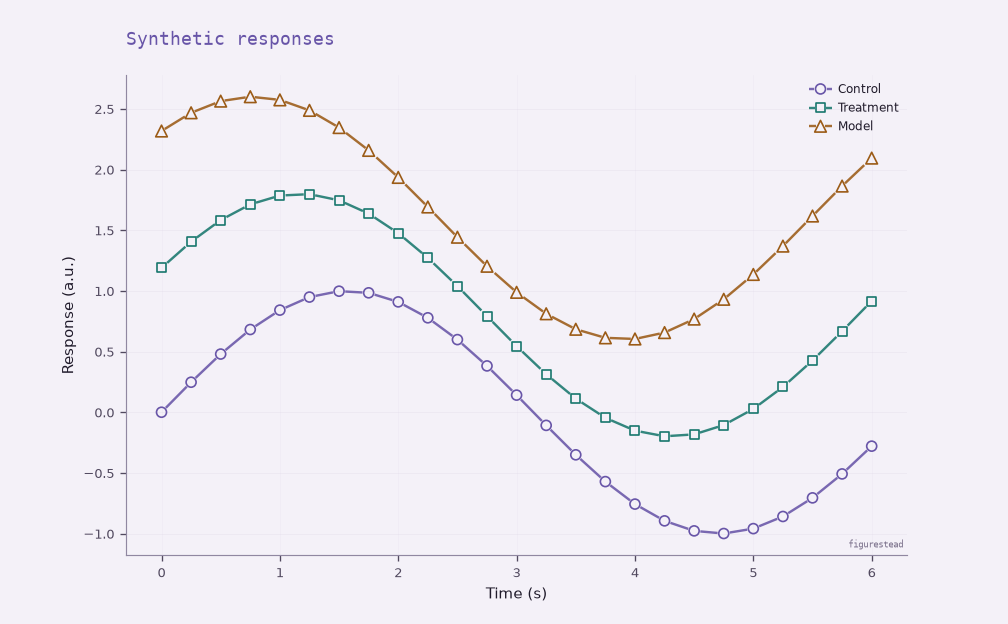
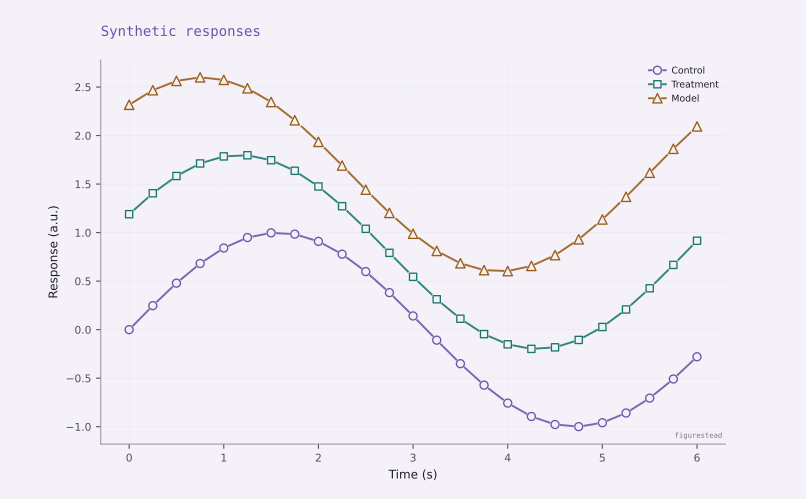
Three named series, 25 observations each. Open circles, squares and triangles carry identity; every line is solid.
Current public alpha / alpha.5
Scientific line figures with color + marker identity across Python and browser surfaces, matching line-and-marker legends, and optional direct labels that reuse the same body identity.
Python 0.9.0a4
Browser 0.9.0-alpha.5
Coordinated prerelease ↗
Published October 4, 2026. These examples use the exact registry releases; earlier specimens keep their original version labels. Read the maintenance release notes.
Now
Five Python plotters and one browser line. Deterministic synthetic data, not scientific findings. Open PNGs or SVGs at native size.
Three named series, 25 observations each. Open circles, squares and triangles carry identity; every line is solid.
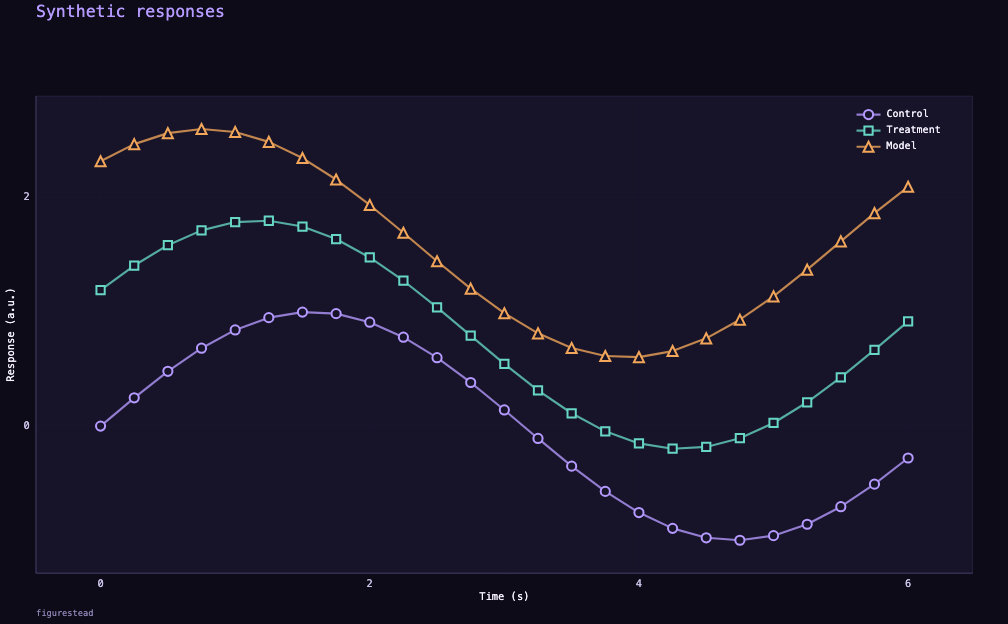
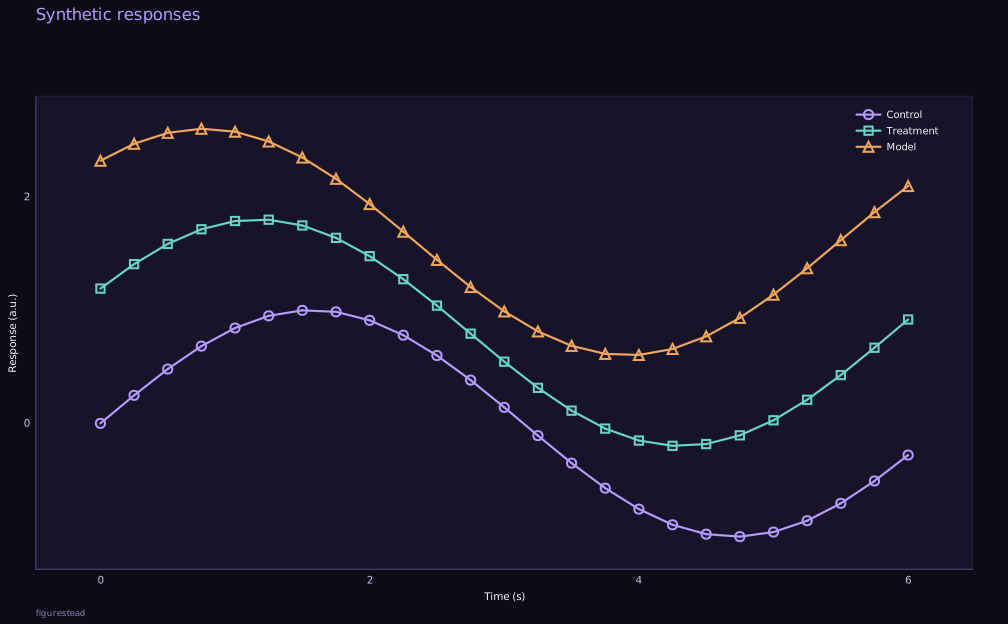
The same values rendered independently in Ultraviolet Laboratory. Settled Canvas, with an SVG export alongside it.
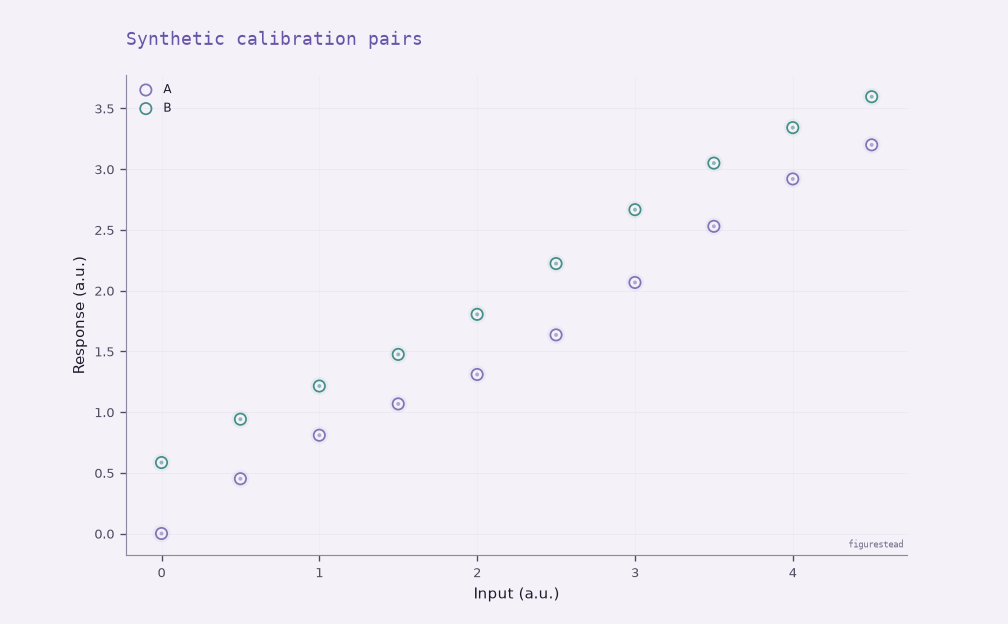
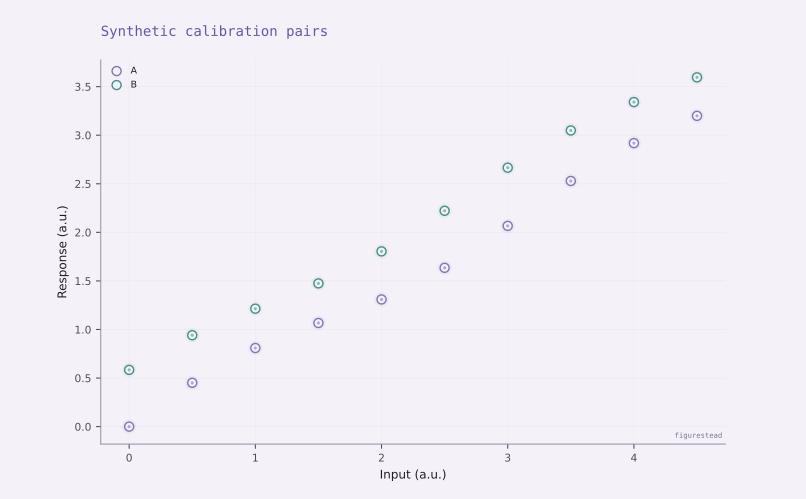
Ten paired observations per group; no fitted model. Color identifies A and B; the marker treatment is the published scatter default.
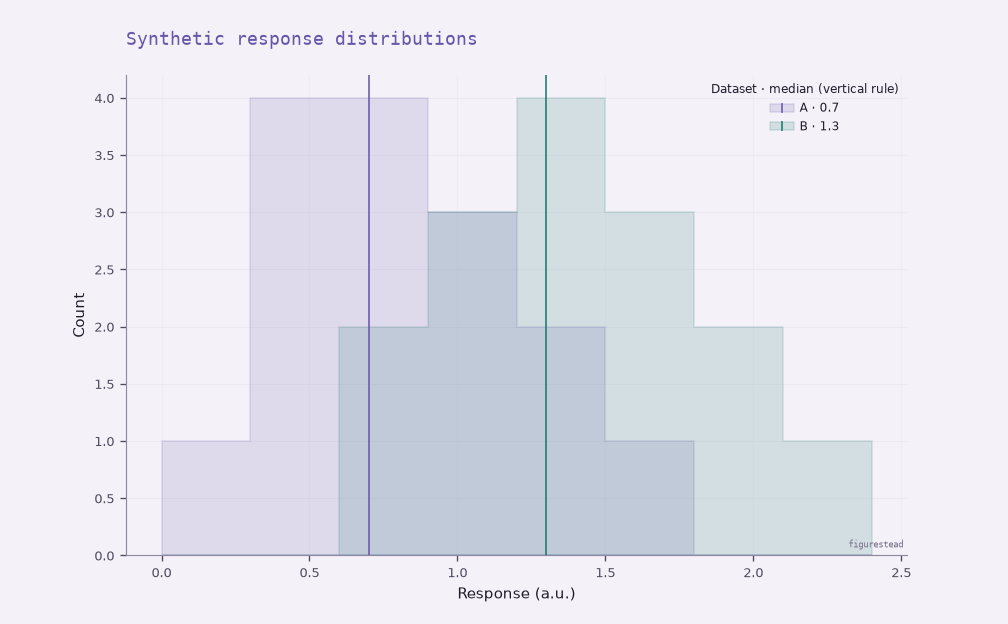
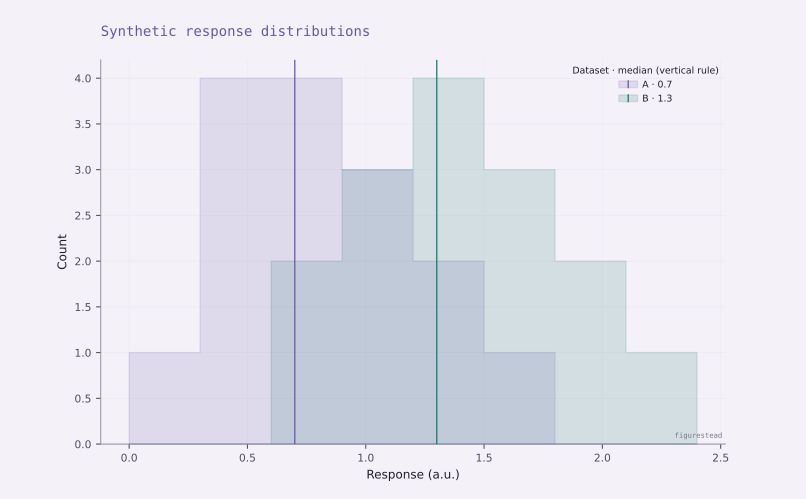
Shared bins cover all 15 observations per dataset. Vertical rules mark full-data medians: A 0.7, B 1.3.
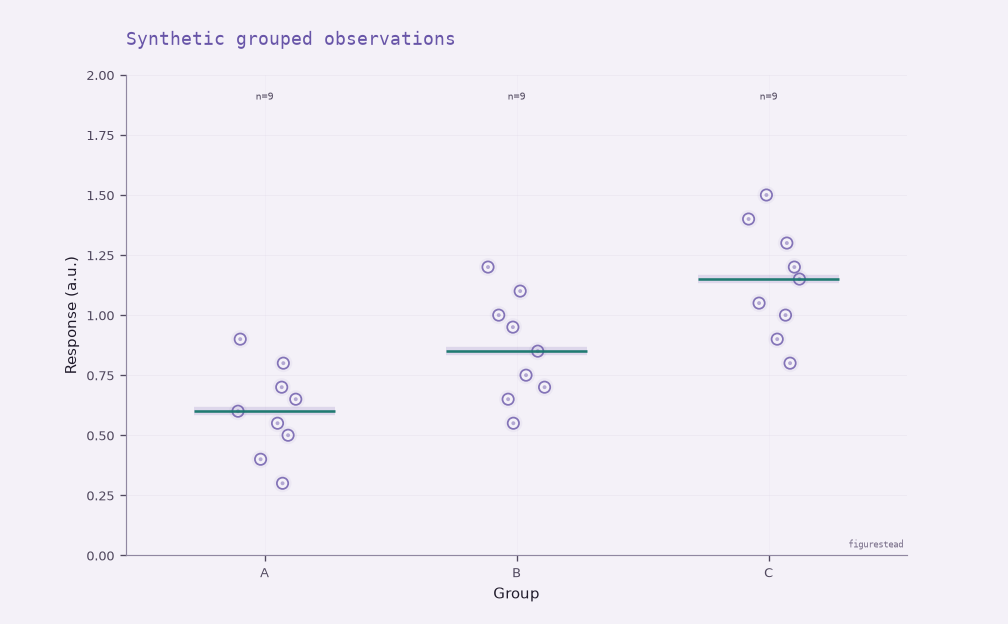
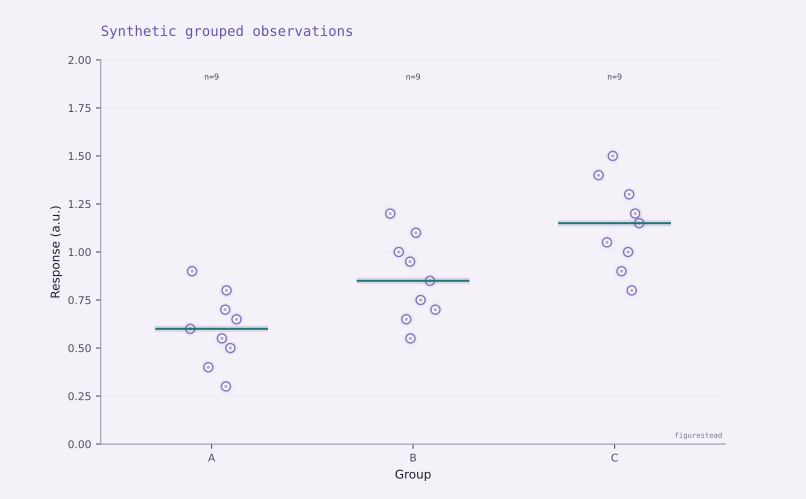
Nine observations per group, deterministic jitter and group medians. The authored [0,2] domain leaves space for a4 count labels inside the plot.
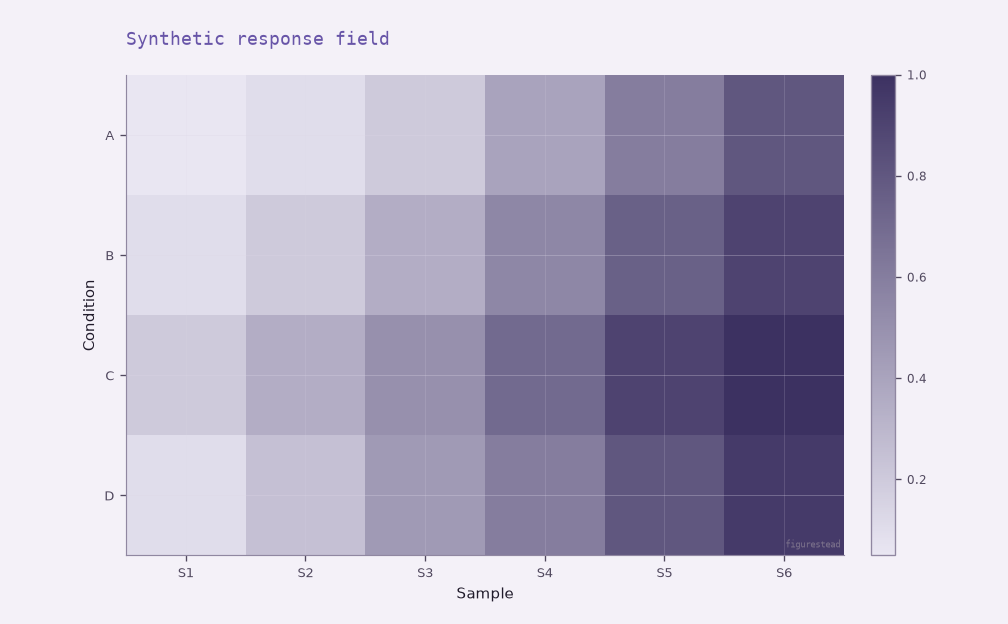
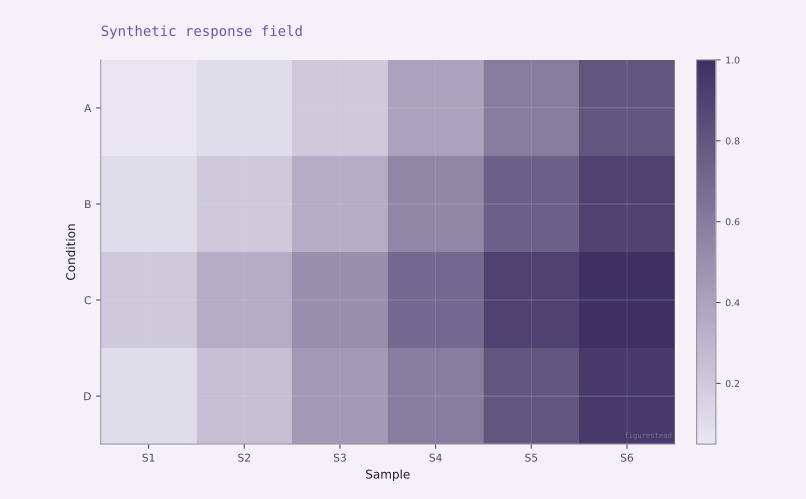
Four conditions by six samples. Sequential fill encodes response (a.u.) from 0.05 to 1.0, with a colorbar.
Run the complete examples · Package, source and image hashes · Documentation index
Python uses Lavender Fog Notebook; the browser line uses Ultraviolet Laboratory. Reduced previews are not readability qualification. These examples do not include unreleased footer/count-layout, safe-save or browser band changes. The Python and browser renderers share selected semantics, not identical output or coverage.
01
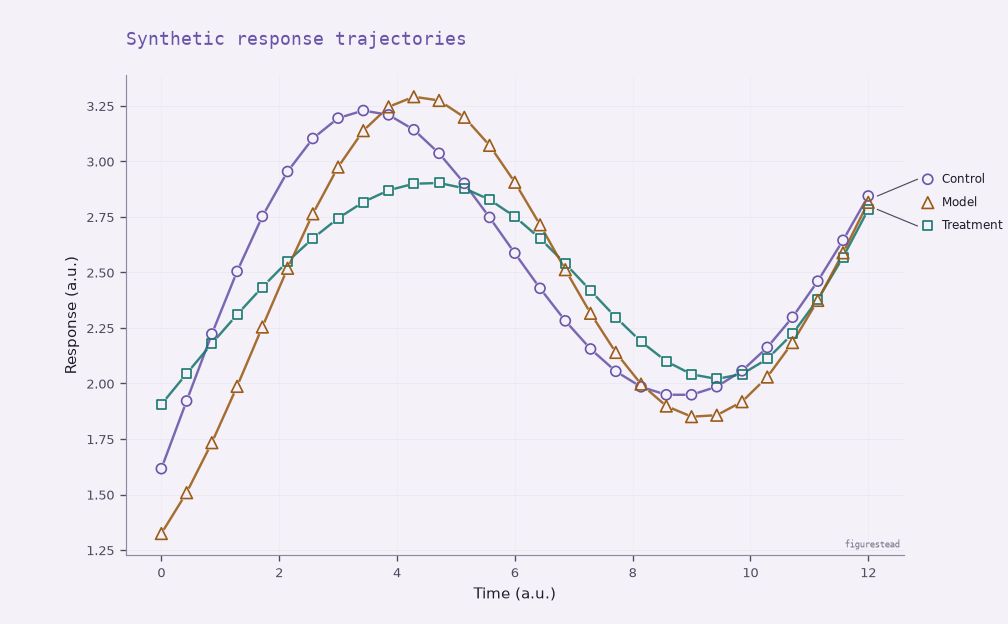
Retained a2/alpha.3 examples: persistent circle, square and upright-triangle identities with matching line-and-marker legends. The paired direct-label views reuse that identity. These synthetic product examples are not a4/alpha.5 renders and do not expand the reference-theme designation.
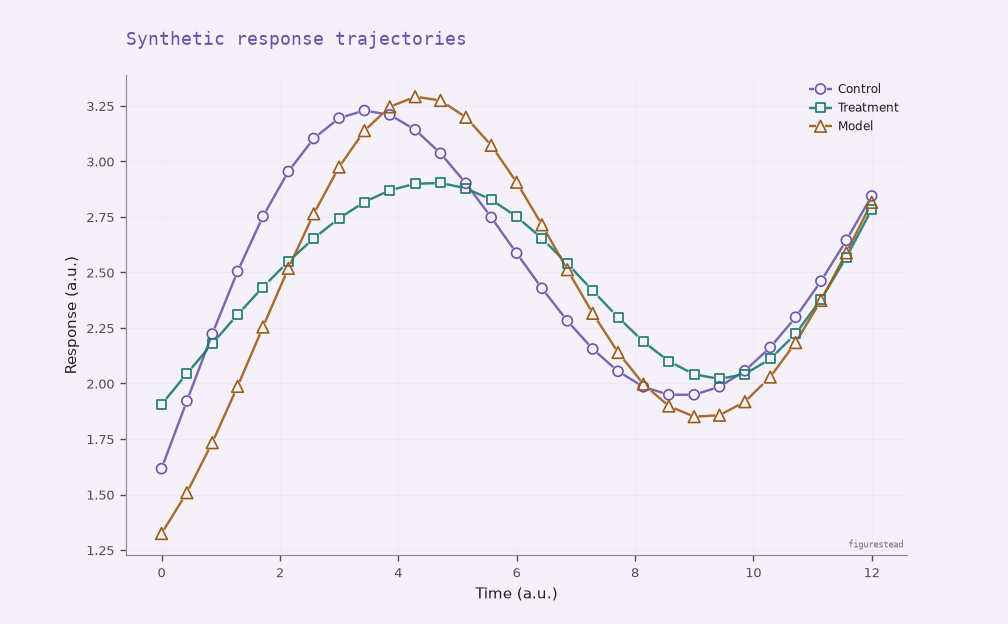
Ordinary legend · 1008 × 624, 120 dpi. Open for native size.
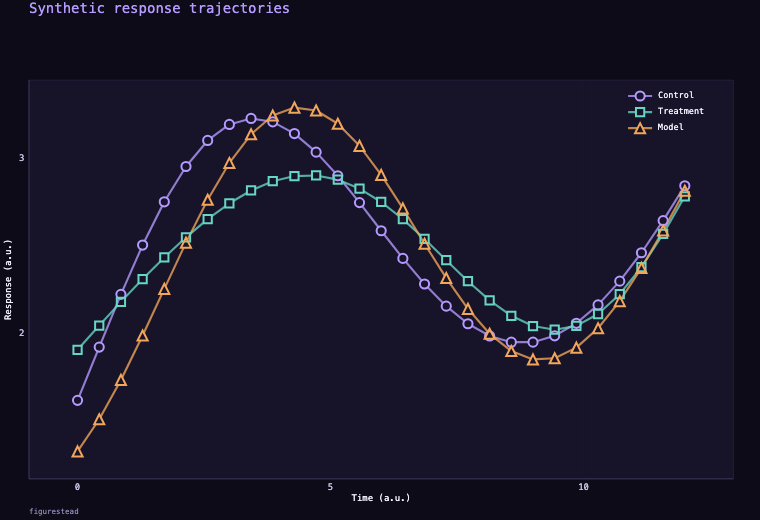
Ordinary legend · 760 × 520 CSS/raster, DPR 1. Open for native size.
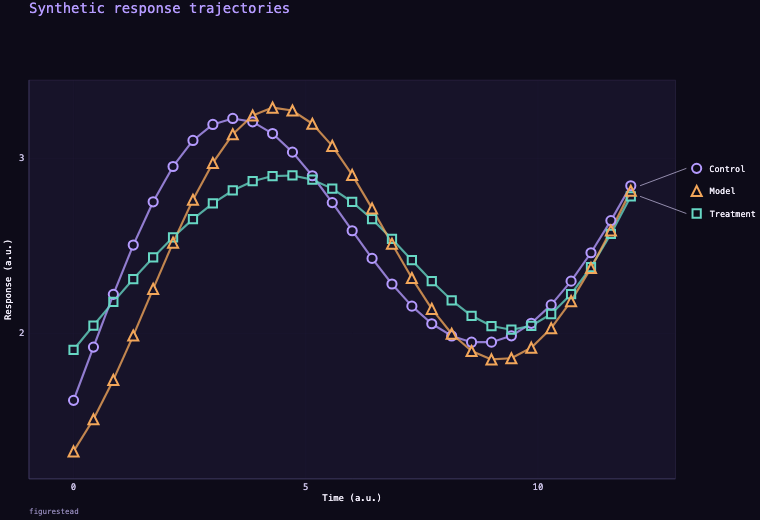
The converging observations remain close; direct labels separate names, not observations. Each pair keeps its data and output dimensions fixed. Python and Canvas share identity semantics, not pixel-identical rendering. Page reductions are previews, not readability qualification. Unsupported direct-label layouts retain the ordinary legend.
02
The default first-three-series line profile uses S1 open circle, S2 open square and S3 open upright triangle. Lines remain solid and equal in semantic weight. Color + shape carry identity; line rhythm stays available for independent scientific semantics.
A documented exemplar of the bounded three-series line profile. The retained a2 Python specimen above demonstrates matching line + marker + label legends, with own-line-only clipping beneath open markers.
The independently authored dark exemplar for the same bounded profile. The retained alpha.3 terminal-Canvas specimen demonstrates the same identity semantics through its own rendering implementation.
Python series_slots carries identity through supported filtering/reordering. Browser keyed setData updates retain established identity and partial overrides; setConfig remains a replacement/reset boundary.
Opt in with Python direct_labels=True or browser style.directLabels: true. The one-panel, 2–3-series treatment supports single-line printable ASCII labels. Unsupported geometry/text or insufficient fit restores the entire ordinary legend. Active browser transitions use ordinary treatment until settled; exports without trustworthy measurement keep the ordinary legend.
“Reference” means an evidence-backed exemplar for the documented rendering conditions, not universal qualification or a default-theme change. Close or overlapping observations may remain difficult to distinguish. No universal accessibility, CVD-user, physical-print, six-series or arbitrary reduced-size readability claim is made. Read the reference profile and its limits.
03
Python and browser implementations share a figure-contract vocabulary, not pixel-identical output or identical coverage.
python -m pip install "figurestead==0.9.0a4"npm install --save-exact @figurestead/web@0.9.0-alpha.5Use @alpha to follow the prerelease channel. The unqualified latest tag remains on alpha.1.
Ordinary legend ↔ direct labels: the bounded public example · Current installation and API guidance
04
Reproducible product examples and explicit contracts. These deterministic synthetic figures are demonstrations, not scientific findings or a new qualification campaign.
Original package versions and hashes, deterministic 29-observation trajectories, Python/Canvas runtime facts, identical within-runtime pair inputs, and four exact image hashes.
Recorded normal-color and grayscale inspection at declared sizes. The designation does not extend to every plot family, semantic token, density or override.
The explicit single-layer audit takes the actual substrate, opacity and compositing facts. Static palette inspection alone is not a measurement of the rendered figure; neither audit is a whole-figure visibility guarantee.
Actual body identity, final authored observations, bounded placement and whole-treatment ordinary-legend fallback. Real text measurement and geometry determine local fit.
Archive
The previous Slipware hero, six-theme palette catalog, old installation examples and Evidence Atlas remain available as historical material. They are not current-alpha specimens or current qualification evidence.
Earlier-alpha gallery and palette catalog · Retained earlier-alpha Evidence Atlas